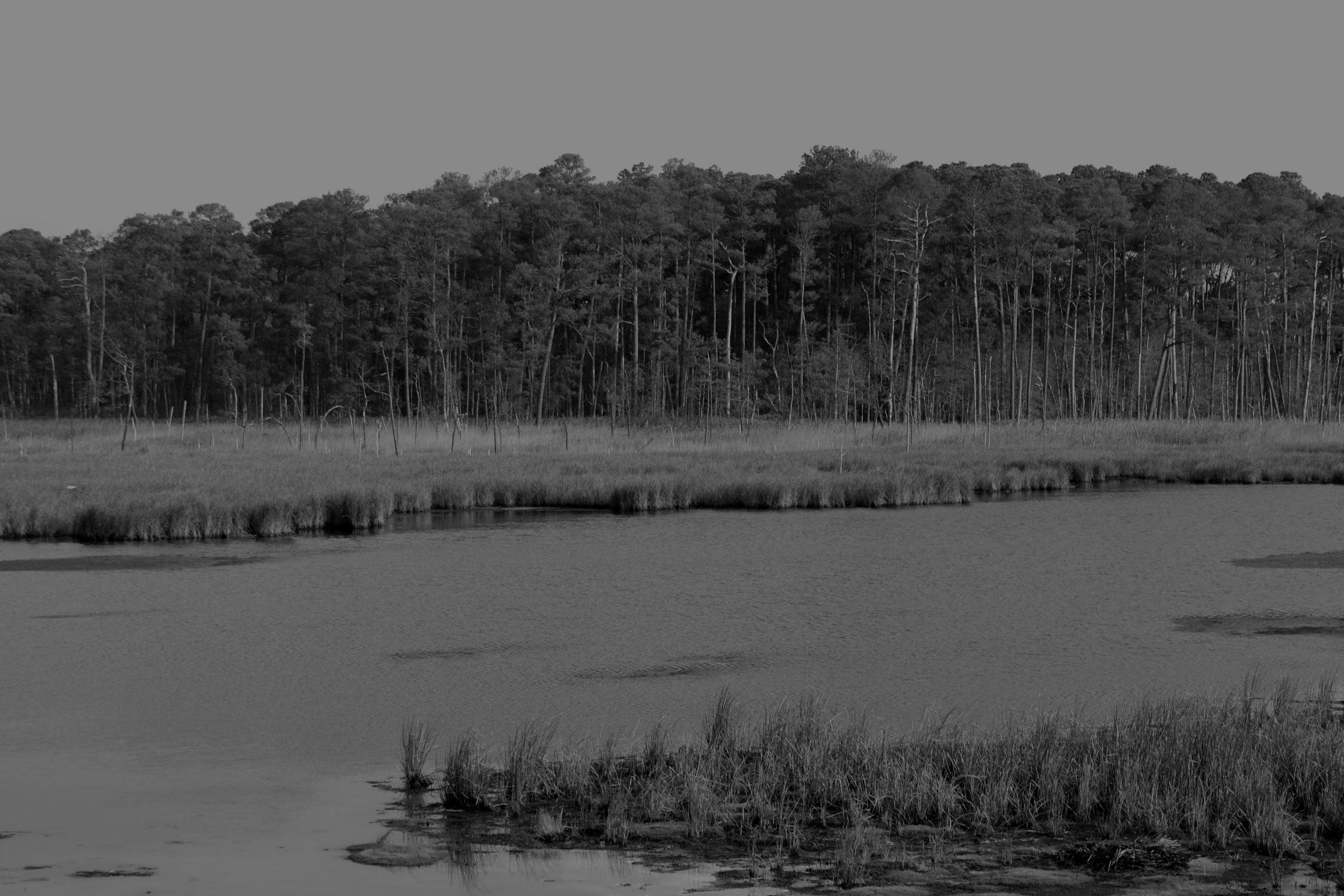
01Choptank River, full swim opening
Start by the water you meet, not a promised calm split
The 2026 swim runs on an outgoing tide, so the outbound leg is against a slight current. It will feel slower than your pool pace suggests. That is the course, not your fitness, so hold effort rather than chasing the clock.
Judge by effort, not by split. Sight often so the current does not push you wide.
02Choptank River swim return and exit
Leave the river prepared for the bike
The inbound leg runs with the current. Let it give you the time back rather than pressing harder because the water suddenly feels easier.
Keep the same effort as the outbound leg. Stay long in the stroke.
03Cambridge, early full bike
Choose an all-day number on the flat roads
The course leaves Cambridge for open wetland roads with almost no elevation change. With no hills to check you, it is easy to settle 15 watts too high without noticing. Pick your ceiling in the first half hour and treat it as fixed.
Cap power early. Start fuelling before you feel like you need it.
04Blackwater wetlands, first long bike section
Keep food and fluids consistent across exposed roads
The Blackwater National Wildlife Refuge is open marshland with very little to block the wind. A headwind section costs more here than the same wind would on a sheltered course, and the return leg gives it back.
Hold power through the headwind, not speed. Stay aero when the road turns.
05Blackwater refuge corridor, later bike section
Let wind move speed rather than power
The second lap repeats the same flat roads. This is the point where a bike that felt easy starts to show up, and where riding to the same ceiling protects the marathon. The course is not fully closed, so keep paying attention to traffic.
Compare lap two power to lap one. Finish your planned nutrition before T2.
06Cambridge return bike, final section
Keep the legs intact before T2
The run is flat from start to finish, which removes every natural excuse to slow down. Start slower than feels right. A flat marathon punishes an early mistake for longer than a hilly one does.
Hold opening pace for the first 5 km. Shorten your stride out of T2.
07Cambridge town marathon, first section
Make the opening miles conservative
Running the same riverside and downtown streets a second time gives you a clean read on whether the bike was paced correctly. Compare this lap to the first one honestly and adjust now rather than at 35 km.
Compare lap two to lap one. Keep taking aid on schedule.
08Long Wharf Park, marathon finish approach
Use the last kilometres only after steady running
The last lap finishes along the historic Long Wharf on the Choptank. If you held your bike ceiling on both laps, this is where that discipline pays. If you did not, this is where a flat course stops helping.
Decide the finish honestly. Run the last lap on effort, not on the goal time.